

In today’s world, sustainability is more than just a buzzword; it’s a way of life. As we become increasingly conscious of our environmental impact, upcycling furniture has emerged as a popular trend. Not only does it breathe new life into old pieces, but it also reduces waste and promotes creativity. Whether you’re a seasoned upcycler or a beginner looking to dip your toes into DIY projects, here are some top tips to help you transform your home without breaking the bank or harming the planet.
Start Small: If you’re new to upcycling, don’t overwhelm yourself with ambitious projects right out of the gate. Begin with small pieces of furniture, such as side tables or chairs, before tackling larger items like dressers or cabinets. Starting small allows you to hone your skills, experiment with different techniques, and gain confidence in your abilities.
Choose Quality Pieces: When selecting furniture to upcycle, opt for pieces with good bones. Look for sturdy construction and solid wood if possible. While it’s tempting to grab the cheapest option available, investing in quality pieces will ensure your upcycled creations stand the test of time.
Preparation is Key: Proper preparation is crucial to the success of your upcycling project. Clean the furniture thoroughly to remove dirt, grime, and any existing finish. Sanding is also essential to create a smooth surface for painting or staining. Take your time with this step to achieve professional-looking results.
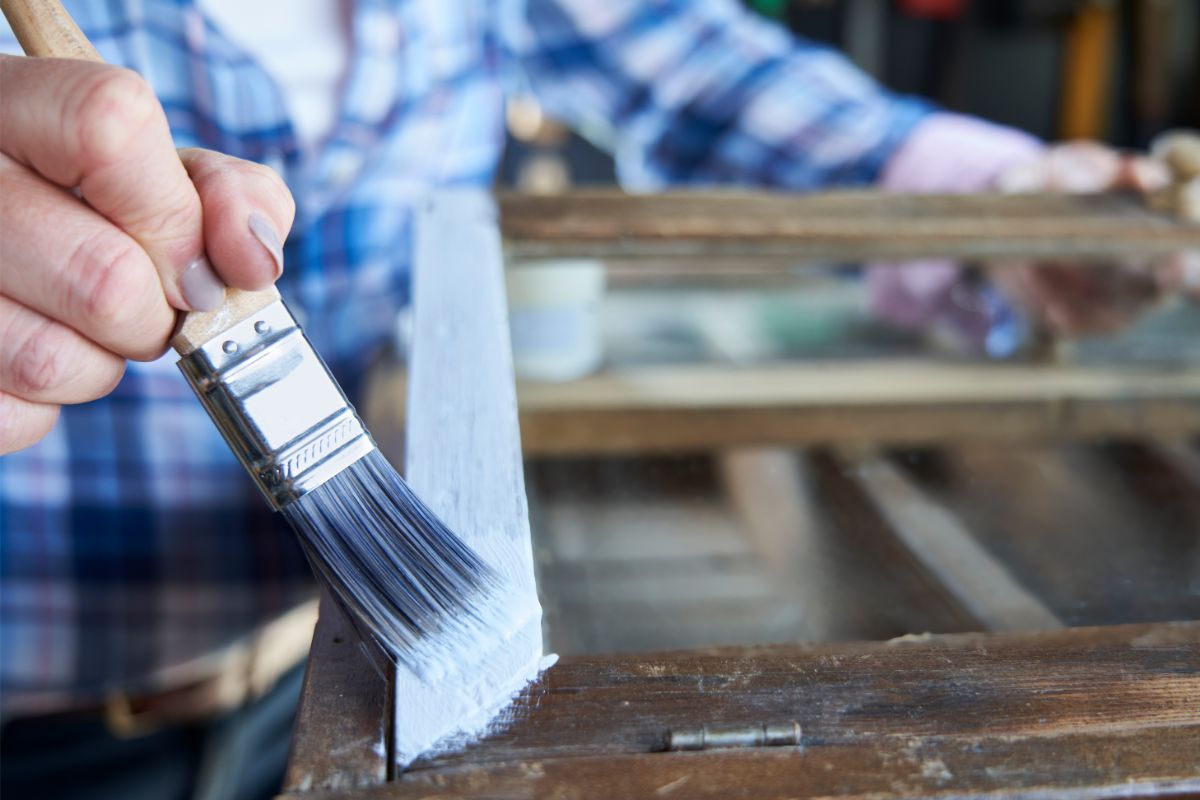
Get Creative with Paint: One of the easiest ways to transform a piece of furniture is with a fresh coat of paint. Experiment with different colours and finishes to suit your style and existing décor. Don’t be afraid to mix and match or add decorative accents like stencils or hand-painted designs for a personalised touch.
Embrace Natural Materials: Upcycling isn’t just about painting old furniture. Consider incorporating natural materials like reclaimed wood, metal, or fabric into your projects. Salvaged materials not only add character but also contribute to the eco-friendly nature of upcycling.
Repurpose and Reimagine: Think outside the box when it comes to upcycling furniture. That old ladder gathering dust in the garage? Turn it into a stylish bookshelf. Have an outdated dresser? Transform it into a chic bathroom vanity. The possibilities are endless when you let your creativity run wild.
Don’t Forget the Hardware: Sometimes, it’s the small details that make the biggest impact. Upgrading the hardware on a piece of furniture can completely change its look and feel. Swap out old knobs and pulls for sleek modern ones, or add vintage hardware for a touch of nostalgia.
Practice Patience: Upcycling furniture is a labour of love that requires time and patience. Don’t rush the process—take breaks when needed and allow each coat of paint or finish to dry completely before moving on to the next step. Remember, the end result will be worth the wait.
Share Your Success: Whether you’re a seasoned upcycler or a novice DIY enthusiast, don’t hesitate to share your creations with others. Post photos of your upcycled furniture on social media, join online communities, or host a furniture swap with friends. Not only will you inspire others to embrace sustainable living, but you’ll also receive valuable feedback and support along the way.
Have Fun!: Above all, upcycling should be enjoyable. Don’t be afraid to experiment, make mistakes, and learn as you go. Embrace the journey of transforming old furniture into new treasures, and relish in the satisfaction of knowing you’re making a positive impact on the planet.
Upcycling furniture is more than just a trend—it’s a mindset shift towards sustainable living and creative expression. By following these top tips, you can embark on your upcycling journey with confidence, knowing that you’re not only creating beautiful pieces for your home but also contributing to a brighter, greener future for generations to come.


